
 Rushabh Patel
Introduction: Why Healthcare Needs Smart Software Solutions
Building healthcare software is at the core of the healthcare industry’s rapid digital transformation, enabling providers to deliver secure, efficient, and patient-centric care. Today, software is no longer just a backend utility—it plays a critical role in modern healthcare operations. From AI-powered diagnostic tools and real-time patient monitoring to appointment scheduling systems and telemedicine platforms, digital solutions are reshaping how healthcare services are delivered.
Whether you’re a healthcare professional with an innovative idea, a tech entrepreneur entering the health-tech space, or an established organization aiming to modernize operations, building healthcare software is no longer optional—it’s a strategic necessity for improving outcomes and staying competitive.
In this ultimate guide to building healthcare software, we’ll walk you through the complete development journey—from planning and regulatory compliance to deployment and performance optimization. You’ll learn how to create HIPAA-compliant healthcare applications, develop scalable Electronic Health Record (EHR) systems, and turn your vision into a high-impact digital solution that enhances patient care and clinical efficiency.
Let’s explore the future of healthcare—powered by smart technology, compliance, and innovation.
The Rise of Healthcare Software Development
According to MarketsandMarkets, the global healthcare IT market is projected to reach $974.5 billion by 2027. Key drivers include:
- Increased demand for remote care and telemedicine
- The need for interoperable EHR systems
- Rising healthcare costs prompting automation
- Shifting toward evidence-backed practices and measurable healthcare value.
Custom app development allows healthcare providers to meet these challenges with tailored software solutions that align with their workflow, data security policies, and patient needs.
Common Types of Healthcare Software Applications
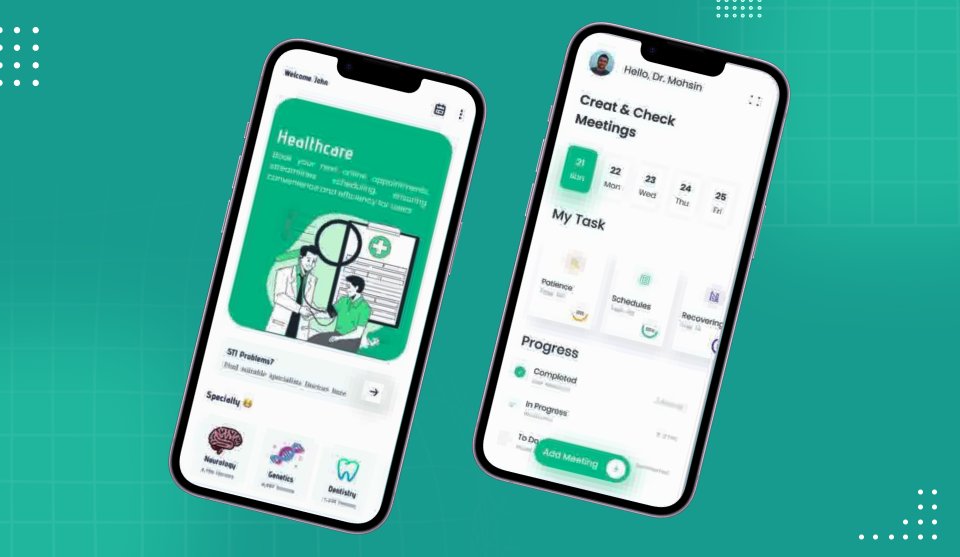
Healthcare is a complex ecosystem. Here’s a list of software types that dominate the space:
1. Electronic Health Records (EHRs)
Computerized systems that store and manage health records, prescriptions, and lab data for improved efficiency and precision.
2. Telemedicine Apps
Provide video consultations, chat-based interactions, and remote follow-ups. These apps grew 63% post-2020.
3. Remote Patient Monitoring (RPM)
Integrates with wearable devices to track vitals like BP, glucose levels, and heart rate in real time.
4. Hospital Management Systems (HMS)
Handle billing, inventory, admissions, discharge, and scheduling—all from a centralized dashboard.
5. Mental Health Apps
Offer cognitive behavioral therapy (CBT), guided meditations, journaling, and virtual therapy.
6. Medical Learning & Education Apps
Used by students, nurses, and professionals for upskilling through 3D simulations, video lectures, and quizzes.
7. ePharmacy & Prescription Delivery
Automate medication orders, prescription uploads, and refill reminders.
8. Healthcare CRM Platforms
Enhance patient experience by tracking interactions, automating communications, collecting reviews, and driving growth through marketing campaigns.
Must-Have Features in Healthcare Software
Regardless of the software type, your app must deliver a secure, intuitive, and high-performance experience. Include these core features:
- User authentication & role-based access
- Data encryption & HIPAA/GDPR compliance
- Integration with EMRs, labs, and pharmacies
- ePrescription (eRx) tools
- Telehealth with video conferencing
- Appointment scheduling & reminders
- Analytics dashboard for providers
- Real-time vitals tracking via IoT devices
- Mobile accessibility for patients and providers
- Multi-language support for diverse populations
Step-by-Step Guide to Building Healthcare Software
Here’s a comprehensive breakdown of the development journey:
Step 1: Discovery & Strategy
Define the goals, audience, and use cases. Understand pain points from both provider and patient perspectives.
- Example: A hospital may want better claim tracking; patients may want prescription history access.
Deliverables:
- Business requirements
- Regulatory checklist
- User journey mapping
Step 2: UI/UX Design & Wireframes
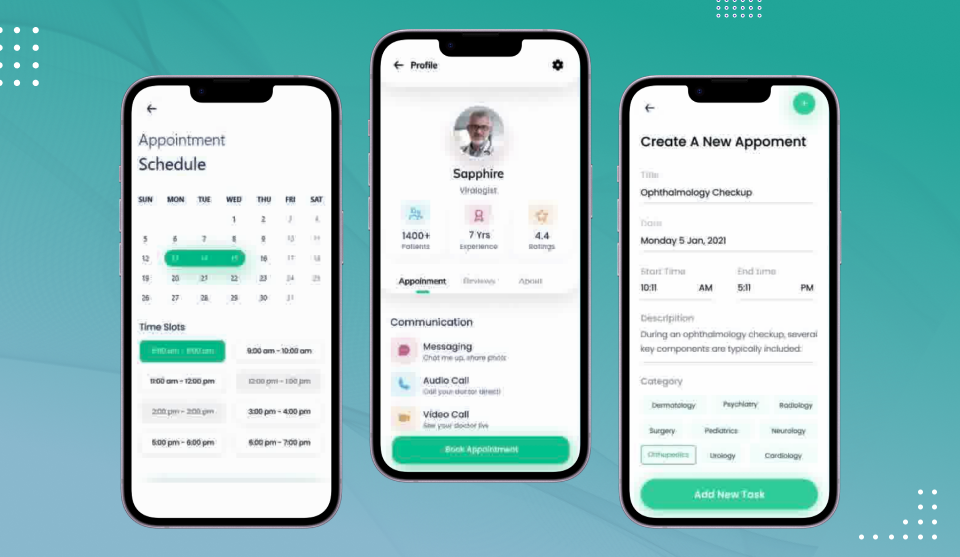
Great healthcare apps are clean, simple, and easy to navigate. Use Figma or Sketch to design wireframes and interactive prototypes.
Focus on:
- ADA-compliant design (for accessibility)
- Mobile-first layout
- Clear CTAs and intuitive icons
Step 3: Development – Frontend & Backend
Use modern technologies like:
- Frontend: React, Angular, Flutter
- Backend: Node.js, Laravel, .NET
- Databases: PostgreSQL, MongoDB, MySQL
Integration essentials:
- EHR/EMR APIs
- IoT/wearable data sync
- Payment gateways
- SMS/email notifications
- Cloud hosting (AWS, Azure, GCP)
Step 4: Testing & Compliance
This is critical in healthcare. Bugs and breaches can have legal consequences.
Types of testing:
- Functional & UX testing
- Penetration testing
- HIPAA/GDPR audits
- Load and stress testing
- Accessibility testing (WCAG standards)
Step 5: Deployment & Ongoing Support
Use CI/CD pipelines for smooth deployment. Following launch, focus on continuous improvement, safeguarding data, and providing excellent user assistance.
Cost of Healthcare App Development
Here’s a rough estimate based on functionality:
| App Type | Estimated Cost |
|---|---|
| Appointment Scheduling | $15,000 – $30,000 |
| Basic EHR System | $30,000 – $70,000 |
| Full Telemedicine Suite | $80,000 – $150,000 |
| Advanced Platform (AI/IoT/Blockchain) | $200,000+ |
Cost Influencers:
- Customization level
- Platform count (iOS, Android, Web)
- Third-party integrations
- Data privacy requirements
- Geographic location of development team
Future Trends in Healthcare App Development
To stay ahead, your software must evolve with these trends:
AI & ML
For diagnosis support, chatbots, medical imaging, and treatment predictions.
IoT Integration
Wearables like Fitbit or Apple Watch syncing real-time vitals.
Blockchain
Secure, decentralized health records with full transparency.
Cloud & Edge Computing
Real-time access, reduced latency, and seamless collaboration.
Virtual Reality (VR)
Simulations for surgery training, pain management, and phobia therapy.
Why Choose Siddhi Infosoft for Healthcare App Development?
With 10+ years in software development services, Siddhi Infosoft understands healthcare like no one else.
Industry Expertise
We’ve delivered HIPAA-compliant software for hospitals, clinics, and startups globally.
Scalable & Agile Delivery
Our agile approach ensures flexibility and faster time-to-market.
Full-stack Development
From discovery to deployment—everything is handled in-house.
Compliance-First Code
Every line of code adheres to HL7, GDPR, HIPAA, and ISO standards.
Global Presence
Offices in the USA, UK, and India for 24/7 support and faster collaboration.
FAQs About Healthcare Software Development
1. What is the most important feature in healthcare software?
Security and compliance are non-negotiable. Every app must follow HIPAA, GDPR, and data encryption standards.
2. How much time is required to build a healthcare application?
Depending on complexity, anywhere from 3 to 12 months. An MVP may take 8–10 weeks.
3. Can healthcare apps integrate with existing EHR systems?
Yes. Modern APIs allow seamless integration with platforms like Epic, Cerner, or Meditech.
4. Is telemedicine still relevant post-pandemic?
Absolutely. Remote care has become a permanent component of patient care models globally.
5. What’s the process for post-launch support and updates for my app?
Siddhi Infosoft offers ongoing support, security updates, and performance monitoring under a flexible SLA.
Conclusion: Build Smarter, Safer Healthcare Apps
Healthcare app development is not solely focused on functionality; it must also uphold patient trust, data security, regulatory standards, and meaningful outcomes. Whether you’re digitizing hospital workflows or launching a new med-tech startup, you need a reliable tech partner who understands the nuances of the industry.
At Siddhi Infosoft, we blend domain knowledge with technical brilliance to create apps that patients trust and providers rely on.
Let’s build a healthier, smarter future—together.
Reach out to Siddhi Infosoft today to build secure, scalable, and innovative healthcare software with confidence.
Contact Us -🌐 www.siddhiinfosoft.com or USA- +14152300069, India- +919909012997
📧 info@siddhiinfosoft.com 📍 Offices in USA | India