 Rushabh Patel
Artificial Intelligence is no longer an optional add-on for SaaS businesses. In 2026, AI-powered SaaS applications are redefining how companies automate workflows, personalize customer experiences, improve operational efficiency, and scale faster in highly competitive markets.
From predictive analytics and AI copilots to intelligent automation and real-time recommendations, modern SaaS platforms are evolving into smarter ecosystems capable of delivering measurable business outcomes. Whether it’s a startup building an AI-first product or an enterprise modernizing existing software, AI integration has become a key competitive advantage.
According to recent market trends, US businesses are significantly increasing investments in AI-enabled software solutions to improve productivity, reduce operational costs, and deliver data-driven experiences. This shift is creating massive opportunities for organizations looking to build intelligent SaaS platforms tailored to modern business needs.
In this blog, we’ll explore:
- What AI-powered SaaS applications are
- Must-have AI features in 2026
- Key business benefits
- Industries adopting AI SaaS rapidly
- Development costs and challenges
- How businesses can successfully build scalable AI SaaS products
What Are AI-Powered SaaS Applications?
AI-powered SaaS applications are cloud-based software solutions that use Artificial Intelligence technologies such as machine learning, natural language processing (NLP), predictive analytics, and generative AI to automate tasks, improve decision-making, and enhance user experiences.
Unlike traditional SaaS platforms that rely heavily on manual configurations and static workflows, AI-enabled SaaS products continuously learn from user behavior and data patterns to deliver smarter and more personalized functionality.
Common examples include:
- AI-powered CRM platforms
- Intelligent HR management systems
- AI customer support software
- Predictive healthcare SaaS platforms
- Smart financial management systems
- AI-driven marketing automation tools
In 2026, businesses are increasingly looking for SaaS products that not only manage operations but also provide actionable insights and autonomous assistance.
Why AI-Powered SaaS Is Growing Rapidly in 2026
The global SaaS industry is witnessing rapid transformation because businesses now expect software to:
- Automate repetitive work
- Improve operational efficiency
- Deliver personalized user experiences
- Analyze large datasets instantly
- Support faster business decisions
Several factors are driving the growth of AI-powered SaaS applications:
1. Increased Demand for Automation
Businesses want to reduce manual tasks and operational overhead. AI enables workflow automation across customer service, HR, finance, sales, and logistics.
2. Explosion of Business Data
Modern organizations generate massive amounts of structured and unstructured data. AI helps SaaS platforms analyze this data efficiently and extract meaningful insights.
3. Rise of Generative AI
Generative AI tools are changing how businesses create content, automate communication, and improve customer engagement.
4. Competitive Pressure
Companies that fail to adopt AI risk falling behind competitors offering smarter and faster digital experiences.
5. Cloud Infrastructure Advancements
Cloud platforms such as AWS, Azure, and Google Cloud make AI integration more scalable and cost-effective for SaaS businesses.
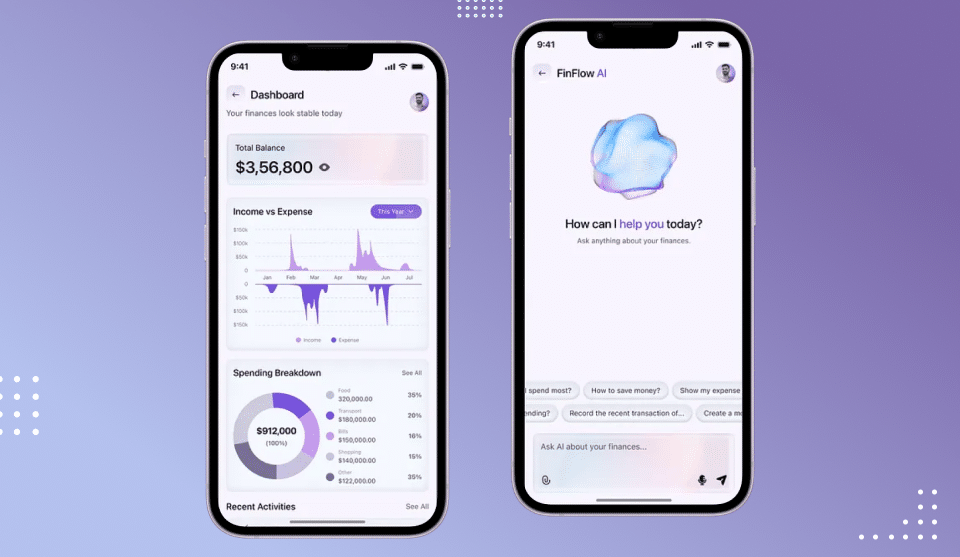
Must-Have AI Features in SaaS Applications in 2026
AI functionality is becoming a standard expectation in modern SaaS products. Here are the most in-demand AI features businesses are integrating into SaaS platforms.
1. AI Copilots and Virtual Assistants
AI copilots help users complete tasks faster by offering intelligent suggestions, automation, and contextual guidance.
Examples:
- Writing assistance
- Smart workflow recommendations
- Automated reporting
- Customer support assistance
AI copilots significantly improve productivity while reducing user effort.
2. Predictive Analytics
Predictive analytics helps businesses forecast trends, customer behavior, and operational outcomes using historical data and machine learning algorithms.
Use cases include:
- Sales forecasting
- Customer churn prediction
- Demand forecasting
- Risk analysis
This feature enables businesses to make proactive decisions instead of reactive ones.
3. Intelligent Workflow Automation
AI-driven automation can streamline repetitive business operations such as:
- Invoice processing
- Data entry
- Lead management
- Employee onboarding
- Email categorization
Automation improves efficiency while minimizing human error.
4. AI-Powered Search
Modern SaaS applications now use semantic and conversational search capabilities powered by NLP.
Users can:
- Search using natural language
- Get personalized search results
- Find relevant documents instantly
This improves user experience and productivity significantly.
5. Recommendation Engines
Recommendation systems analyze user behavior to provide personalized suggestions.
Popular use cases:
- Product recommendations
- Learning content suggestions
- Personalized dashboards
- Sales recommendations
Recommendation engines improve engagement and retention.
6. Generative AI Integration
Generative AI is transforming SaaS platforms by enabling:
- Automated content generation
- Smart summarization
- AI chat responses
- Personalized communication
- Document drafting
Businesses are increasingly integrating generative AI into customer support, marketing, healthcare, and enterprise software solutions.
Industries Adopting AI SaaS Applications Rapidly
AI-powered SaaS solutions are seeing widespread adoption across multiple industries in the USA and globally.
Healthcare
Healthcare organizations use AI SaaS platforms for:
- Patient management
- Medical data analysis
- AI-assisted diagnostics
- Appointment automation
- Healthcare analytics
AI helps improve operational efficiency while enhancing patient care experiences.
FinTech
Financial institutions are leveraging AI for:
- Fraud detection
- Risk analysis
- Automated accounting
- Personalized financial recommendations
- AI-powered customer support
Security and predictive intelligence are major drivers in this sector.
Ecommerce
AI-powered ecommerce SaaS applications enable:
- Personalized shopping experiences
- Inventory forecasting
- Smart product recommendations
- Automated customer engagement
- AI-driven marketing automation
These features improve conversion rates and customer retention.
Logistics and Supply Chain
AI SaaS platforms in logistics help businesses optimize:
- Route planning
- Fleet management
- Delivery forecasting
- Warehouse operations
- Supply chain visibility
Automation reduces operational costs significantly.
EdTech
Educational SaaS platforms are integrating AI for:
- Personalized learning
- Automated assessments
- Student performance analysis
- AI tutors
- Smart content recommendations
AI improves engagement and learning outcomes.
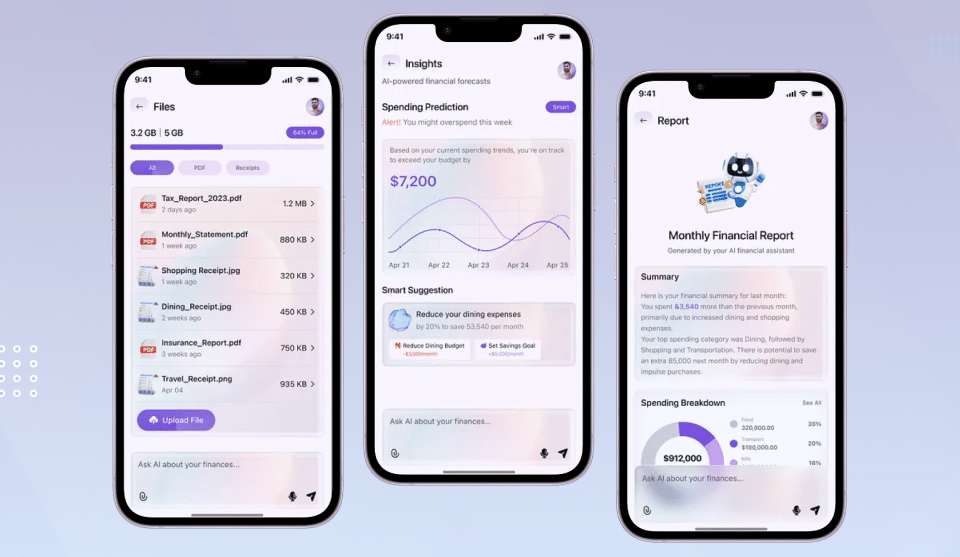
Benefits of AI-Powered SaaS Applications
Businesses investing in AI SaaS development are experiencing substantial advantages.
Improved Operational Efficiency
AI automates repetitive workflows, reducing manual effort and increasing productivity.
Better Decision-Making
Predictive analytics and real-time insights enable organizations to make smarter and faster decisions.
Enhanced User Experience
Personalized recommendations, AI search, and intelligent automation create seamless customer experiences.
Scalability
Cloud-based AI SaaS applications can scale rapidly without significant infrastructure challenges.
Cost Reduction
Automation and optimization reduce operational expenses while improving overall efficiency.
Competitive Advantage
Businesses offering AI-enabled software solutions gain stronger market positioning and improved customer retention.
AI SaaS Development Cost in 2026
One of the most common questions businesses ask is:
“How much does it cost to build an AI-powered SaaS application?”
The answer depends on several factors including complexity, AI functionality, scalability, integrations, and infrastructure requirements.
Here’s a general cost breakdown for AI SaaS development in 2026.
| Project Type | Estimated Cost |
|---|---|
| Basic AI SaaS MVP | $25,000 – $50,000 |
| Mid-Level AI SaaS Platform | $50,000 – $120,000 |
| Enterprise AI SaaS Solution | $120,000 – $300,000+ |
Factors Affecting AI SaaS Development Cost
1. AI Feature Complexity
Advanced AI capabilities such as predictive analytics, generative AI, and NLP require more development effort and computational resources.
2. Cloud Infrastructure
AI applications often require scalable cloud environments for:
- data processing
- AI model hosting
- storage
- security
Cloud costs vary depending on usage and scalability requirements.
3. Third-Party AI APIs
Many businesses integrate APIs from providers such as:
- OpenAI
- Google AI
- AWS AI Services
- Azure AI
API usage costs can impact long-term operational expenses.
4. Data Management
AI systems rely heavily on data quality, storage, processing, and compliance management.
5. Security and Compliance
Industries such as healthcare and finance require strict compliance measures including:
Compliance increases development complexity and cost.
Challenges in Building AI-Powered SaaS Applications
Despite the advantages, AI SaaS development comes with technical and operational challenges.
Data Privacy and Security
Businesses must ensure sensitive customer data is protected and compliant with regulations.
AI Model Accuracy
Poor-quality data can lead to inaccurate predictions and unreliable AI outputs.
Scalability Challenges
As user demand grows, AI systems require scalable infrastructure and optimized performance.
AI Operational Costs
AI processing and model inference can increase infrastructure costs significantly if not optimized properly.
Integration Complexity
Integrating AI into existing SaaS ecosystems often requires advanced engineering expertise.
Why Businesses Are Outsourcing AI SaaS Development
Many US businesses are choosing offshore software development companies to build AI-powered SaaS products cost-effectively.
Outsourcing offers several benefits:
- Reduced development costs
- Faster time-to-market
- Access to experienced AI developers
- Flexible scaling
- Reduced hiring overhead
India has become a preferred destination for SaaS and AI development because of its strong technical talent pool and competitive pricing.
How Siddhi Infosoft Helps Businesses Build AI-Powered SaaS Applications
At Siddhi Infosoft, we help startups, enterprises, and growing businesses develop scalable AI-powered SaaS applications tailored to modern business requirements.
Our expertise includes:
- Custom SaaS development
- AI integration services
- Cloud-native application development
- Web and mobile app development
- API integrations
- AI-powered workflow automation
- Generative AI implementation
Our development team focuses on building secure, scalable, and high-performing software solutions that align with your business goals and user expectations.
Whether you are planning to launch an AI SaaS startup or modernize an existing platform, our team can help you accelerate development while ensuring long-term scalability.
Final Thoughts
AI-powered SaaS applications are transforming how businesses operate, engage customers, and scale in 2026. From predictive analytics and intelligent automation to generative AI and personalized user experiences, AI is becoming the foundation of modern SaaS innovation.
Businesses that invest in AI-enabled software today are positioning themselves for long-term growth, operational efficiency, and competitive advantage.
However, building a successful AI SaaS platform requires the right technology strategy, scalable architecture, and experienced development expertise.
If you are looking to develop a custom AI-powered SaaS application tailored to your business needs, Siddhi Infosoft can help you turn your vision into a scalable digital product.
Looking to Build an AI-Powered SaaS Product?
Get in touch with Siddhi Infosoft to discuss your project requirements and discover how AI-driven software solutions can accelerate your business growth in 2026 and beyond.
Frequently Asked Questions (FAQs)
1. What is an AI-powered SaaS application?
It is cloud-based software that uses AI technologies like machine learning and automation to improve business operations and user experiences.
2. Why are AI-powered SaaS applications popular in 2026?
Businesses use them to automate tasks, reduce costs, improve efficiency, and deliver personalized customer experiences.
3. Which industries use AI SaaS solutions the most?
Healthcare, FinTech, Ecommerce, Logistics, EdTech, and Customer Service industries are major adopters.
4. How much does AI SaaS development cost?
Costs typically range from $25,000 for MVPs to $300,000+ for enterprise-level platforms.
5. What are common AI features in SaaS applications?
Popular features include AI chatbots, predictive analytics, workflow automation, AI search, and recommendation engines.
6. How long does it take to build an AI SaaS platform?
Development can take anywhere from 3 months for an MVP to over 12 months for enterprise solutions.
7. Is AI SaaS development suitable for startups?
Yes. Startups use AI SaaS products to automate operations, scale faster, and improve customer engagement.
8. Which technologies are used for AI SaaS development?
Common technologies include React.js, Node.js, Python, Flutter, AWS, and OpenAI APIs.
9. What are the biggest challenges in AI SaaS development?
Key challenges include data security, scalability, compliance, and AI model accuracy.
10. Why do businesses outsource AI SaaS development?
Outsourcing helps reduce costs, speed up development, and access experienced AI development teams.